
The Counterfeit PMG Holder: Why a Certification Number Isn't Enough
The work behind a specialist auction begins well before bidding opens. Examining, researching and describing each item helps buyers decide what to bid on and helps consignors present their collections responsibly. When a mistake could be costly, the quality of that work matters to both sides of the sale.
At Copeland Roberts, we assess items before they enter the catalogue. We aim to identify forgeries and other problems, and to describe cleaning, polishing, alteration, repair or damage where we identify it. If an item we sell is subsequently found to be a forgery, our 12-month forgery guarantee provides a refund. A banknote submitted to us shows why scrutiny must extend beyond a grading label.
A Counterfeit Banknote in a Counterfeit Holder
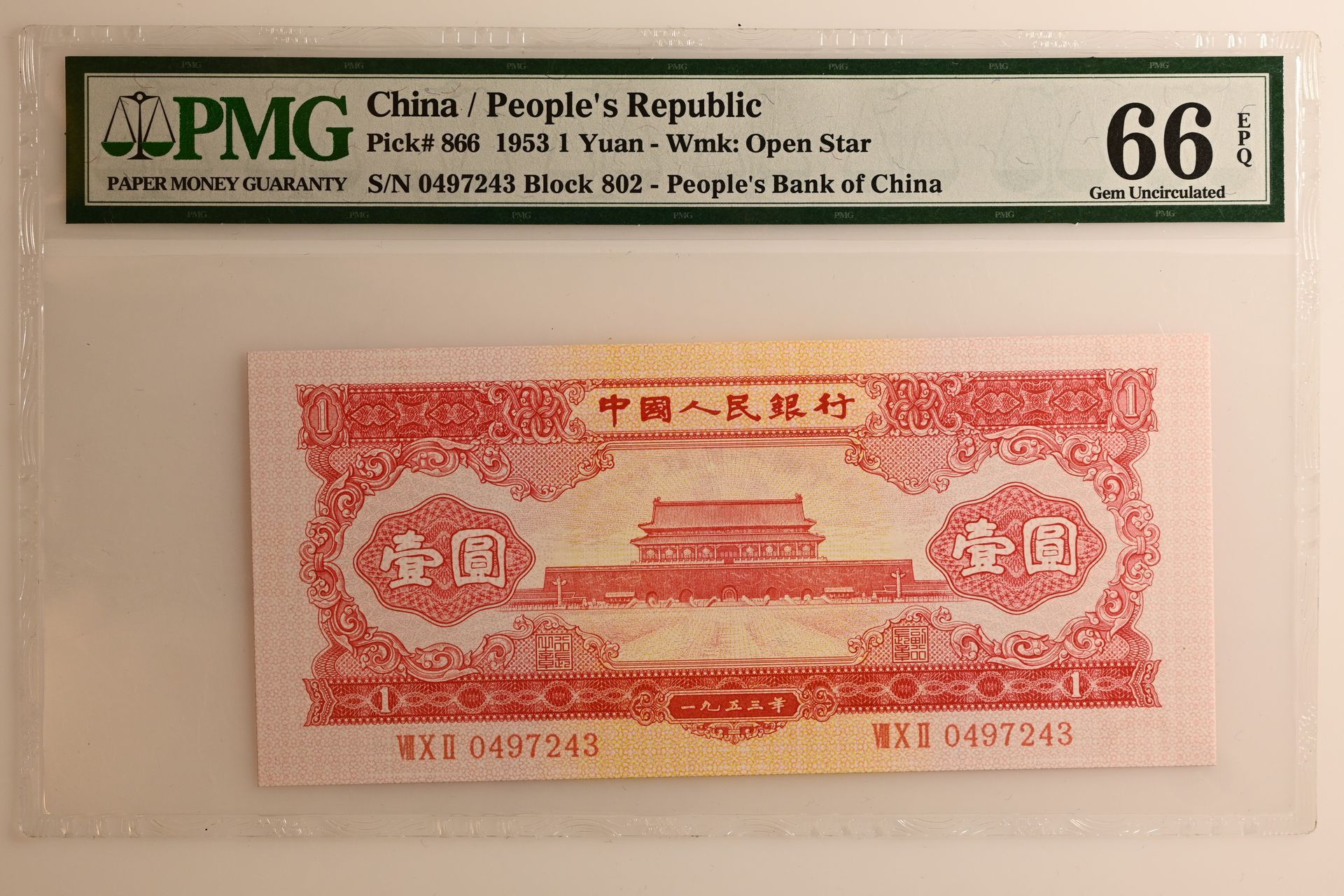
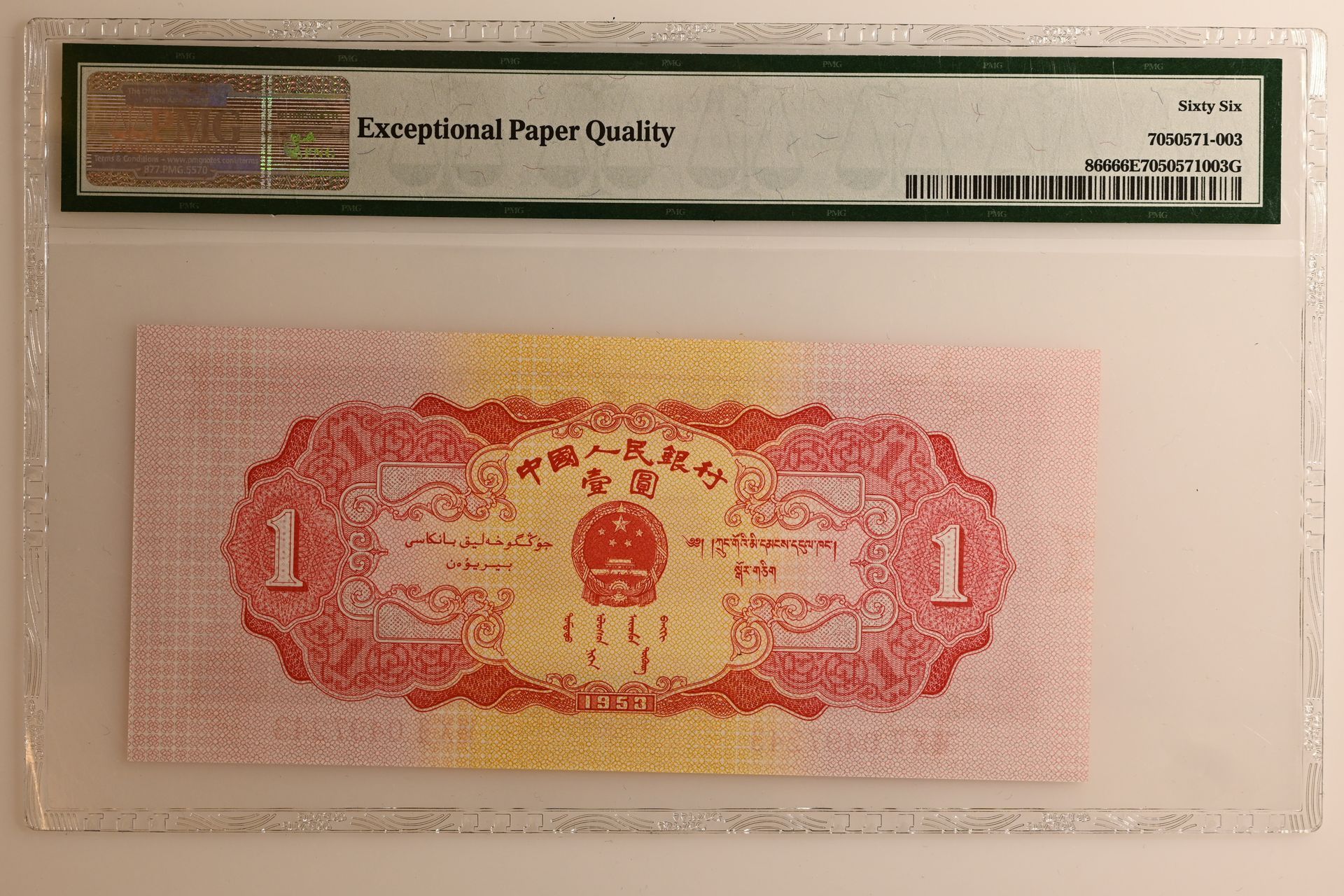
We examined a Chinese 1953 1 Yuan banknote apparently graded PMG Gem Uncirculated 66. It appeared to be in a third-party grading holder, but the colour and overall appearance of the note prompted a closer look. Modern counterfeits can imitate both the collectible and the holder meant to authenticate it.
The Suspect Holder
The Genuine Holder
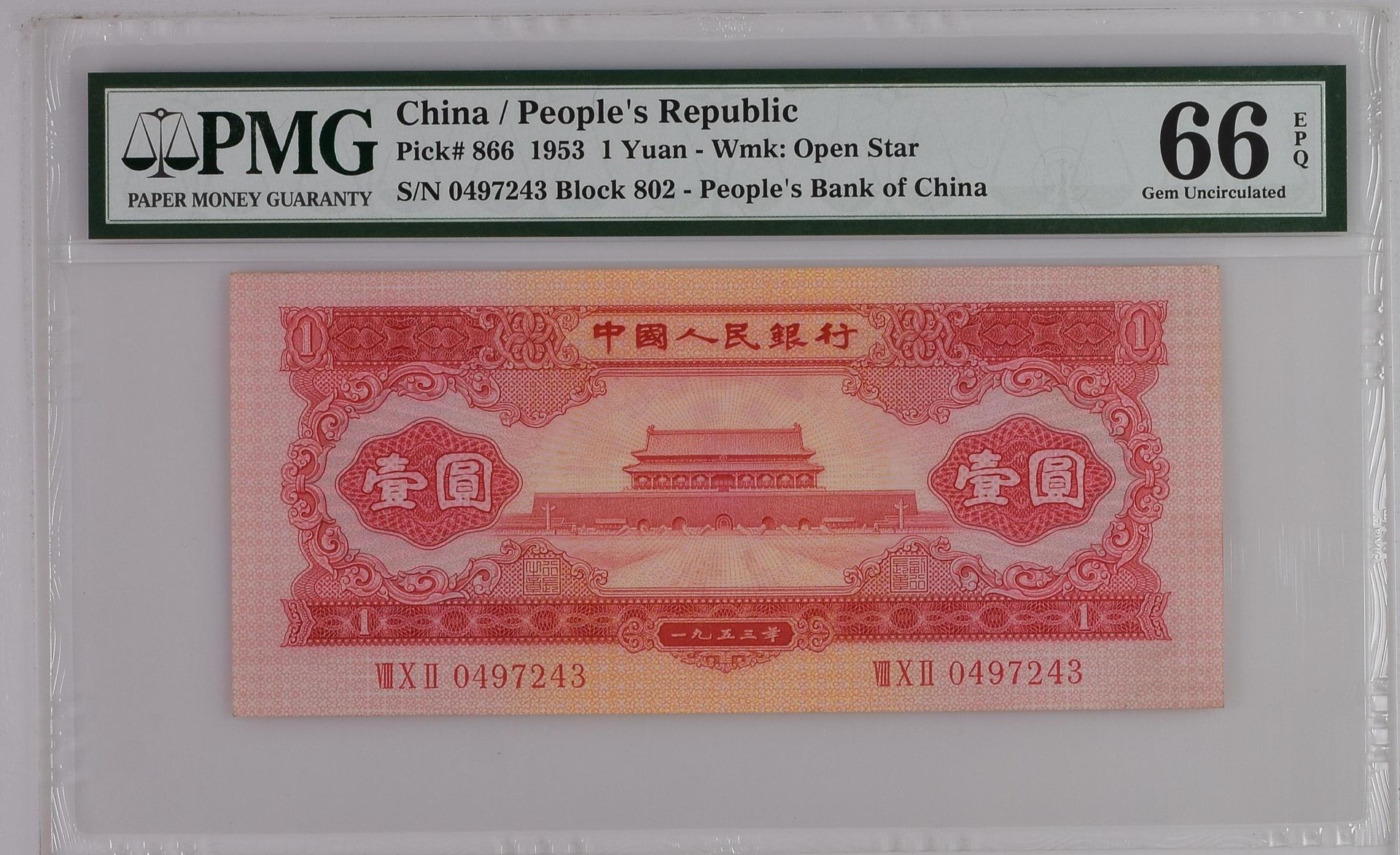
Figure 5. Grade area on the suspect holder
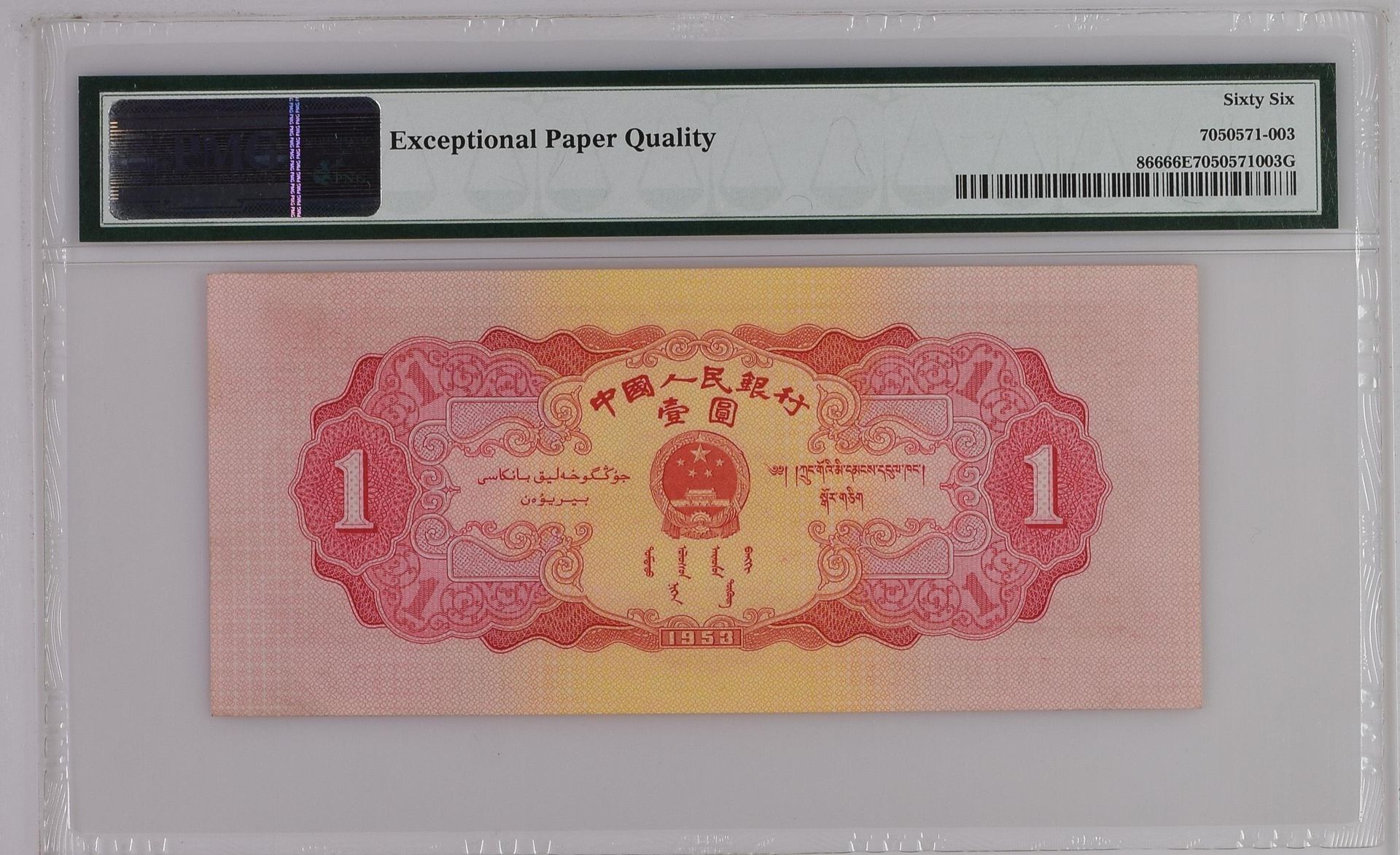
Figure 6. Grade area on the genuine holder
Appearance alone could not establish whether the note was counterfeit. We compared the suspect holder with photographs of the genuine PMG-certified example and found differences in the alignment and positioning of the grade text.
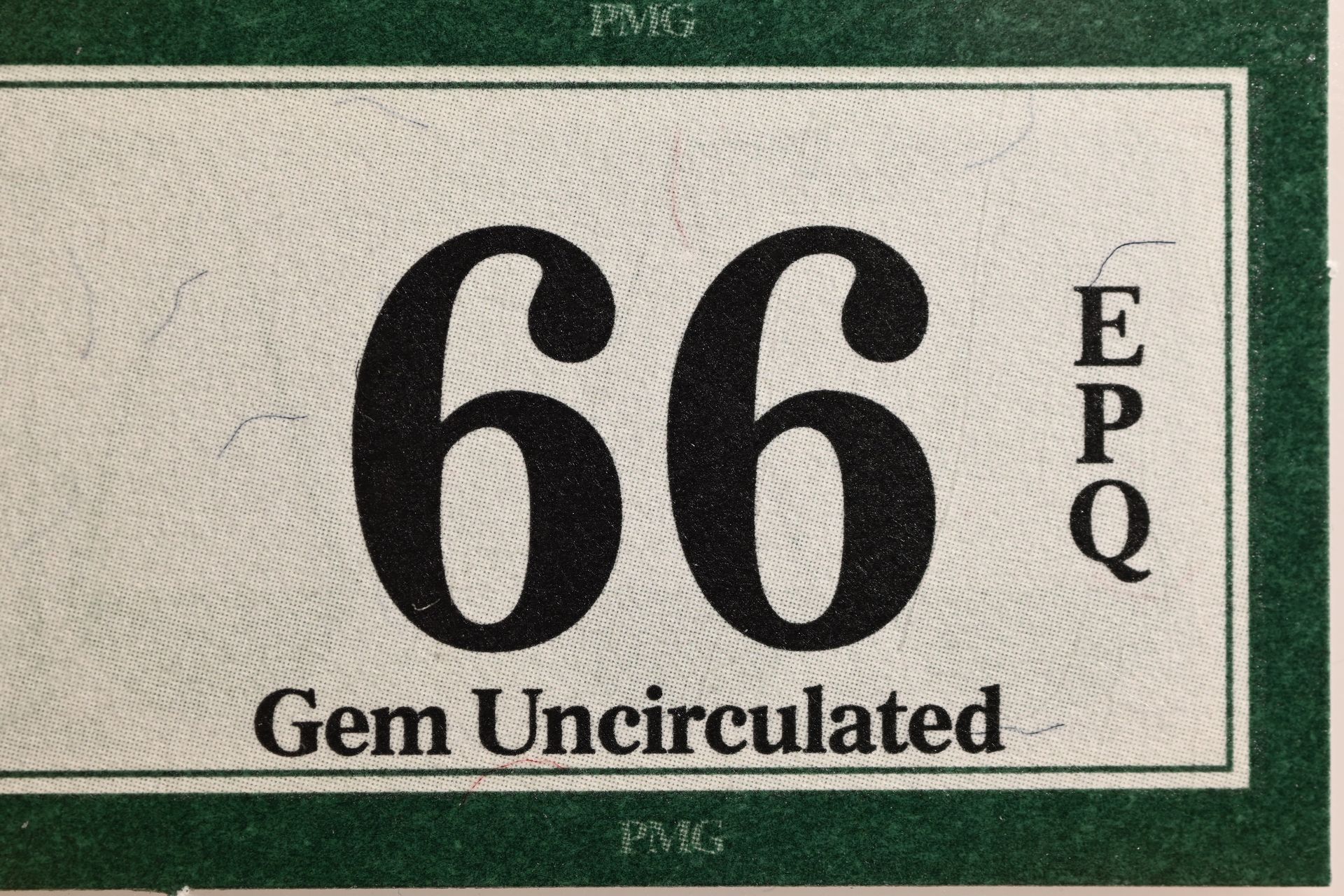
Figure 5. Grade area on the suspect holder
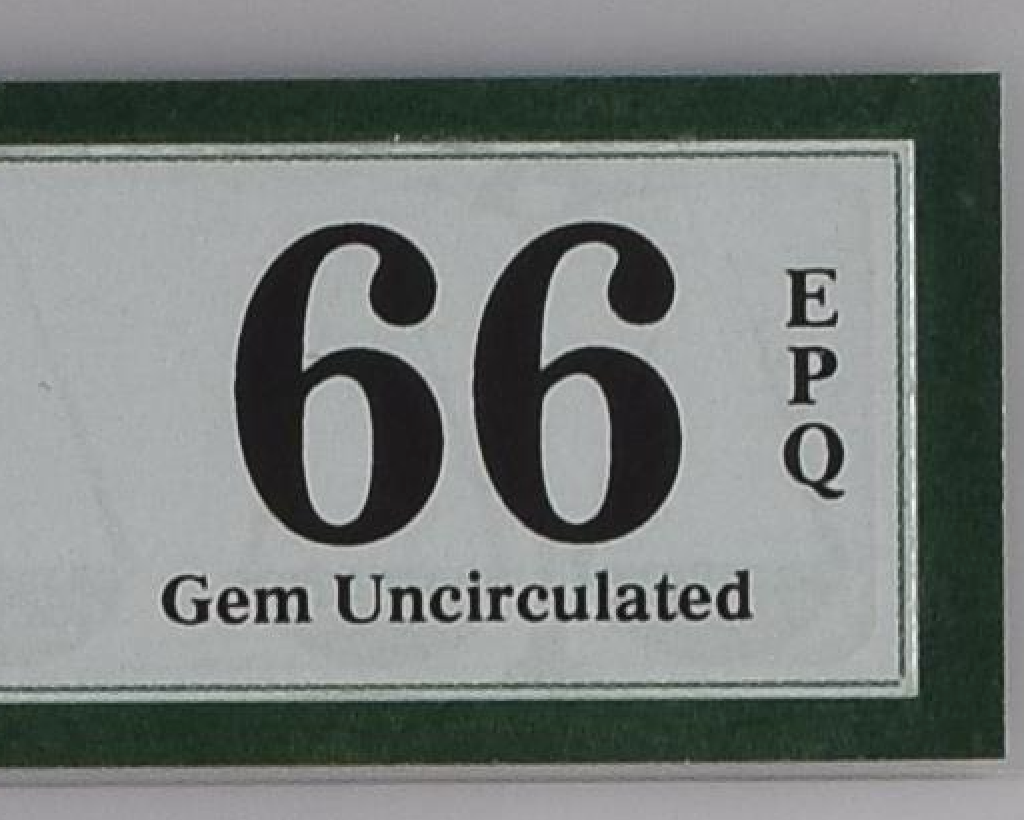
Figure 6. Grade area on the genuine holder
Checking the Banknote Itself
A problem with the holder does not automatically mean that the banknote inside is false. A genuine note could have been placed in a counterfeit holder. We therefore compared photographs of the PMG-certified note with the note presented to us, examining colour, design alignment, printing and finer details. The suspect note even showed a weak watermark, making it more convincing at first glance.

Figure 7. Genuine PMG note, detail and design alignment
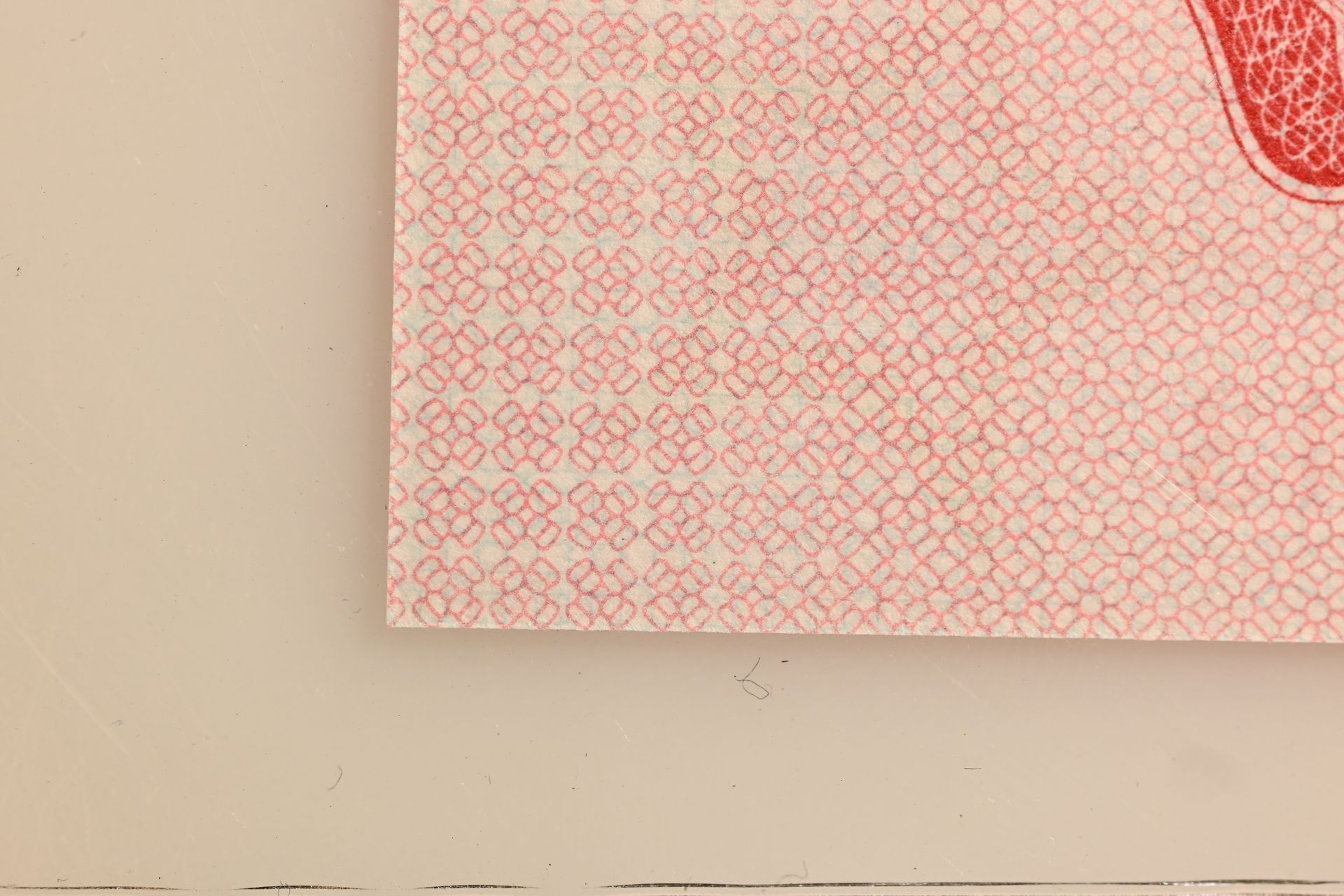
Figure 8. Suspect note, corresponding design detail
The comparison showed that the note in the suspect holder was not the note photographed by PMG. Under magnification, we also observed further discrepancies in the printing. Taken together, the differences in the holder and banknote led us to identify the submitted item as a forgery.
A Certification Number Is Not Enough
A valid certification number identifies a genuine grading record; it does not, by itself, authenticate every item bearing a copy of that number. Labels and holders can be imitated. Where certification photographs are available, comparing the actual item with those photographs may reveal differences in printing, alignment, marks or other identifying features. The object itself still needs to be examined.
Why Buyers Benefit
Specialist assessment gives bidders more than an image and a grade on a label. Accurate attribution and descriptions of condition or faults help them judge an item on its merits. For a rare or valuable coin or banknote, an overlooked problem can have a substantial financial consequence.
Our 12-month forgery guarantee adds protection if an item sold by Copeland Roberts is later established to be a forgery. That commitment gives us a direct reason to investigate concerns before an item reaches the auction.
Why Consignors Benefit
The banknote came from an otherwise genuine collection assembled by an experienced collector. An owner can acquire a counterfeit or altered piece without knowing it, especially when it appears to have been independently certified. Identifying a problem before sale helps the consignor avoid an inaccurate catalogue entry, a buyer dispute and damage to the collection's reputation.
The same examination can reveal value an owner has missed. A coin or banknote may have a more significant variety, attribution, condition or history than its current label or inventory suggests. Research and accurate cataloguing allow that material to be described on the evidence rather than left unidentified.
How a collection is photographed, grouped and described also affects how bidders understand it. Clear records give prospective buyers the information to make informed decisions and create a useful reference for the consignor after the auction. Careful presentation can support confident participation, although no auction result can be guaranteed.
Confidence Begins Before the Auction
A specialist auction house puts its assessment and reputation behind the material it offers. For buyers, that means informed descriptions and a clear route to a refund if an item proves to be a forgery within the guarantee period. For consignors, it means research, authentication and presentation before the first bid is placed. If you are considering selling a collection, we can discuss how its individual pieces should be assessed and offered.