
Rare Coins: A Collector’s Guide to Australian Rarities & Auction Values
Australia has a rich numismatic history. From the colonial-era Holey Dollar and Dump to modern gold proof sets that sell for tens of thousands of dollars, rare Australian coins attract serious collectors, investors, and history enthusiasts alike.
This guide covers what makes a coin rare, which Australian coins are the most sought-after, how auction values are determined, and how you can buy or sell rare coins through a specialist auction house.
What Makes A Coin Rare?
Not every old coin is rare, and not every rare coin is valuable. A coin may be scarce because few were produced, few survive, or very few remain in exceptional condition. Its market value also depends on collector demand, authenticity and the quality of the individual example.
Low Mintage
A low original mintage can contribute to a coin’s rarity. The 1930 penny, for example, has an estimated mintage of between 1,500 and 2,000 pieces, according to the Perth Mint. However, production figures are only part of the picture: surviving numbers, condition and collector demand all influence how scarce and valuable a coin is today.
Survival Rate
Many coins were melted, damaged or lost, so original mintage alone does not determine rarity. Heavy circulation also makes some pre-decimal coins scarce in high grade. Demand matters too: a popular issue may command a higher price than a rarer coin with fewer interested collectors.
Condition and Grade
Coin condition is commonly described using traditional grades such as Fine, Very Fine, Extremely Fine and Uncirculated, or the numerical Sheldon scale used by grading services such as PCGS and NGC. Small differences in grade can have a substantial effect on value. Surface quality, cleaning, damage and eye appeal also matter. Third-party grading can support buyer confidence, but the individual coin’s characteristics remain important.
Errors and Varieties
Minting errors and die varieties can attract strong collector interest. Examples include off-centre strikes, double strikes, planchet errors and doubled dies. The Australian 2000 $1/10c mule is a well-known example of mismatched dies. Values depend on the particular error or variety, its rarity, condition and collector demand.
Historical Significance
Coins tied to important events in Australian history carry a premium. Federation-era coins, wartime issues, and commemorative pieces marking national milestones (such as the Melbourne Centenary Florin) are perennially popular at auction.
Provenance
A coin with a documented ownership history, especially if it comes from a well-known collection, often achieves higher prices. Provenance adds a story, and collectors often pay for stories.
Notable Australian Rarities and Collectable Coins
Australia’s collectible coinage ranges from celebrated rarities such as the 1930 penny and Holey Dollar to sought-after pre-decimal dates, gold sovereigns and selected modern issues. The examples below illustrate this range. If you own any of these coins, a specialist appraisal can help establish their likely auction value.
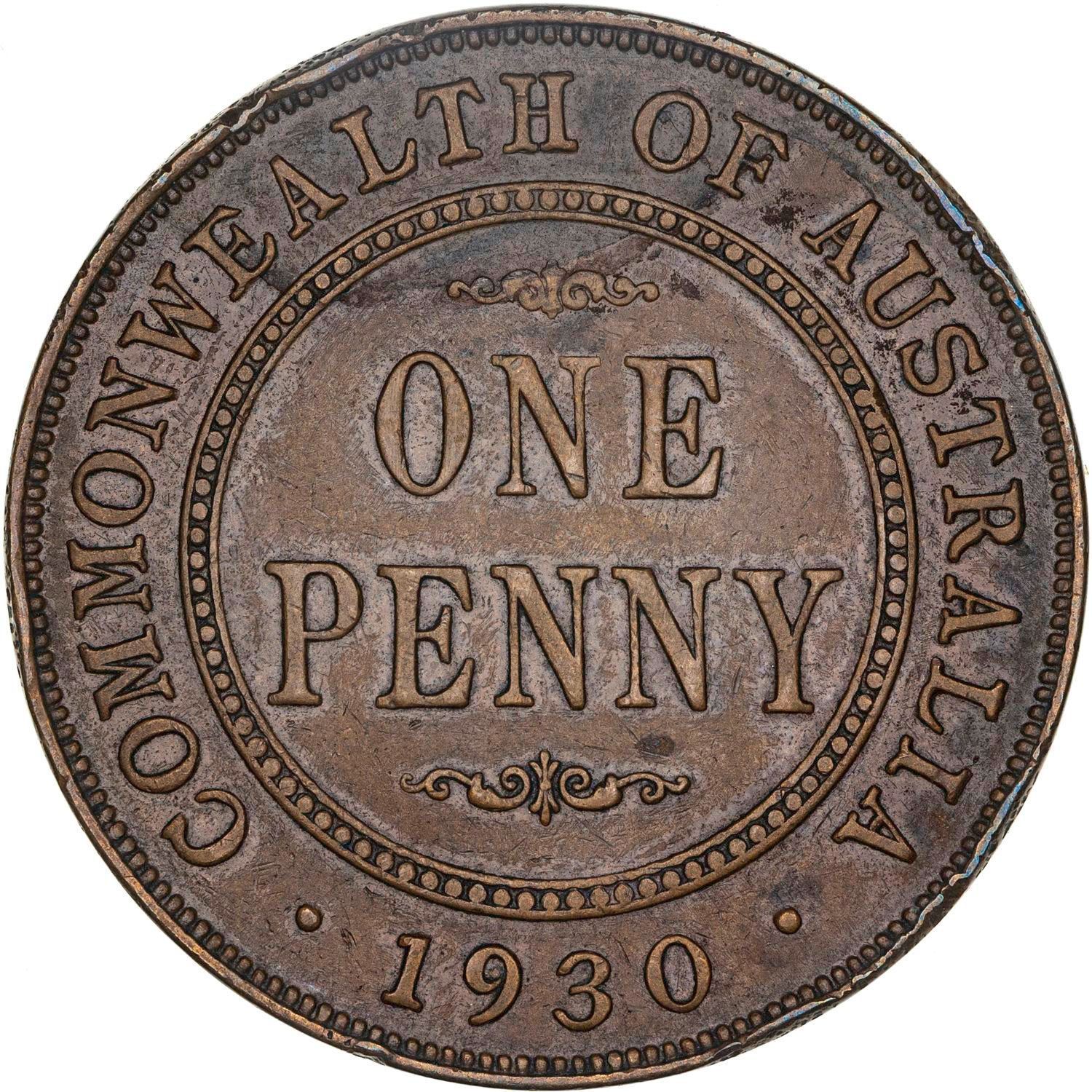
Often called the holy grail of Australian numismatics, the 1930 penny is the single most famous Australian coin. Struck at the Melbourne Mint during the Great Depression, the coin has consistently captured numismatic attention. Moderately worn examples often sell in excess of $15,000 with high grade examples selling for much more.
The 1930 Penny
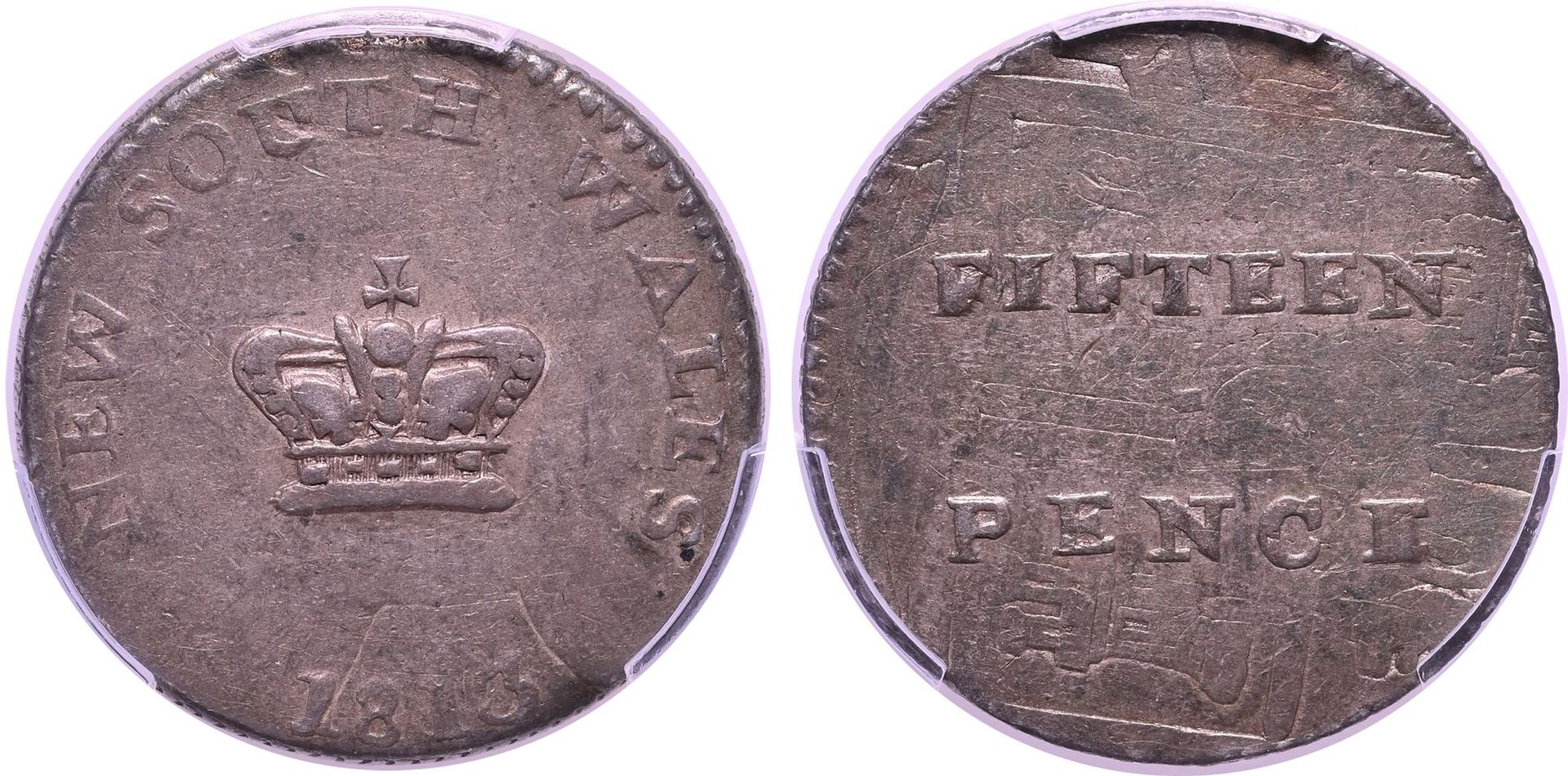
When Governor Macquarie needed to prevent coins from leaving the colony, he had the centres punched out of Spanish silver dollars. The ring became the Holey Dollar (valued at five shillings) and the centre became the Dump (fifteen pence). Around 40,000 of each were produced, but very few survive. A superior Holey Dollar can realise over $100,000 at auction, making it one of the most valuable colonial-era coins in the world.
The 1813 Holey Dollar and Dump
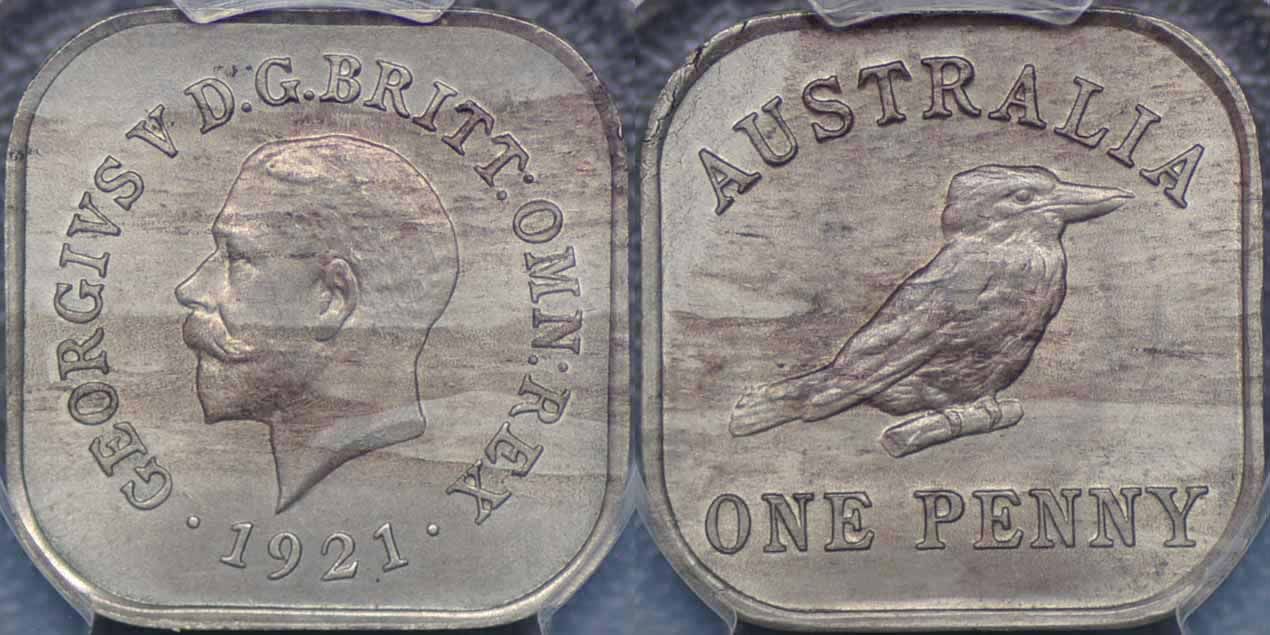
The 1921 Kookaburra penny pattern is part of an experimental series produced between 1919 and 1921 to explore replacing Australia’s large bronze pennies and halfpennies with smaller, square coins. The designs were never adopted for circulation, leaving a distinctive chapter in Australian coinage history. Several pattern types exist, with rarity and value depending on the particular design, condition and provenance.
The 1921 Square Kookaburra Penny Pattern
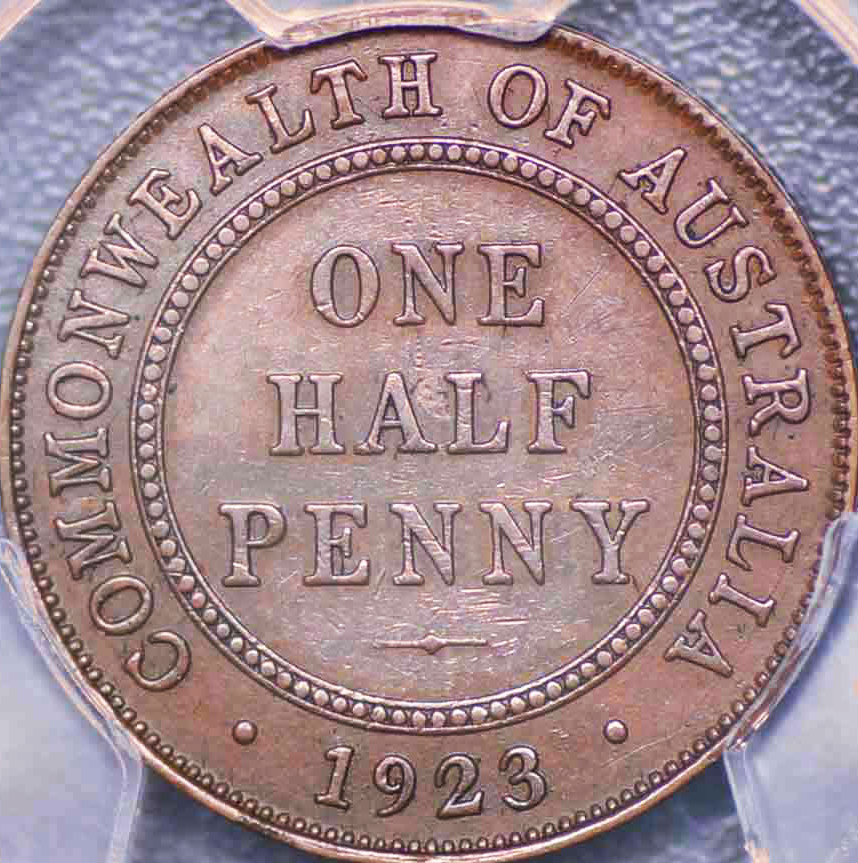
Certain dates across the pre-decimal series are disproportionately rare. The 1923 halfpenny is scarce in any grade. The 1938 crown is always a popular coin. The 1934/5 Centenary florin is a sought-after piece, as is the 1932 florin. In exceptionally high grades, these key dates can become auction highlights!
Pre-Decimal Key Dates
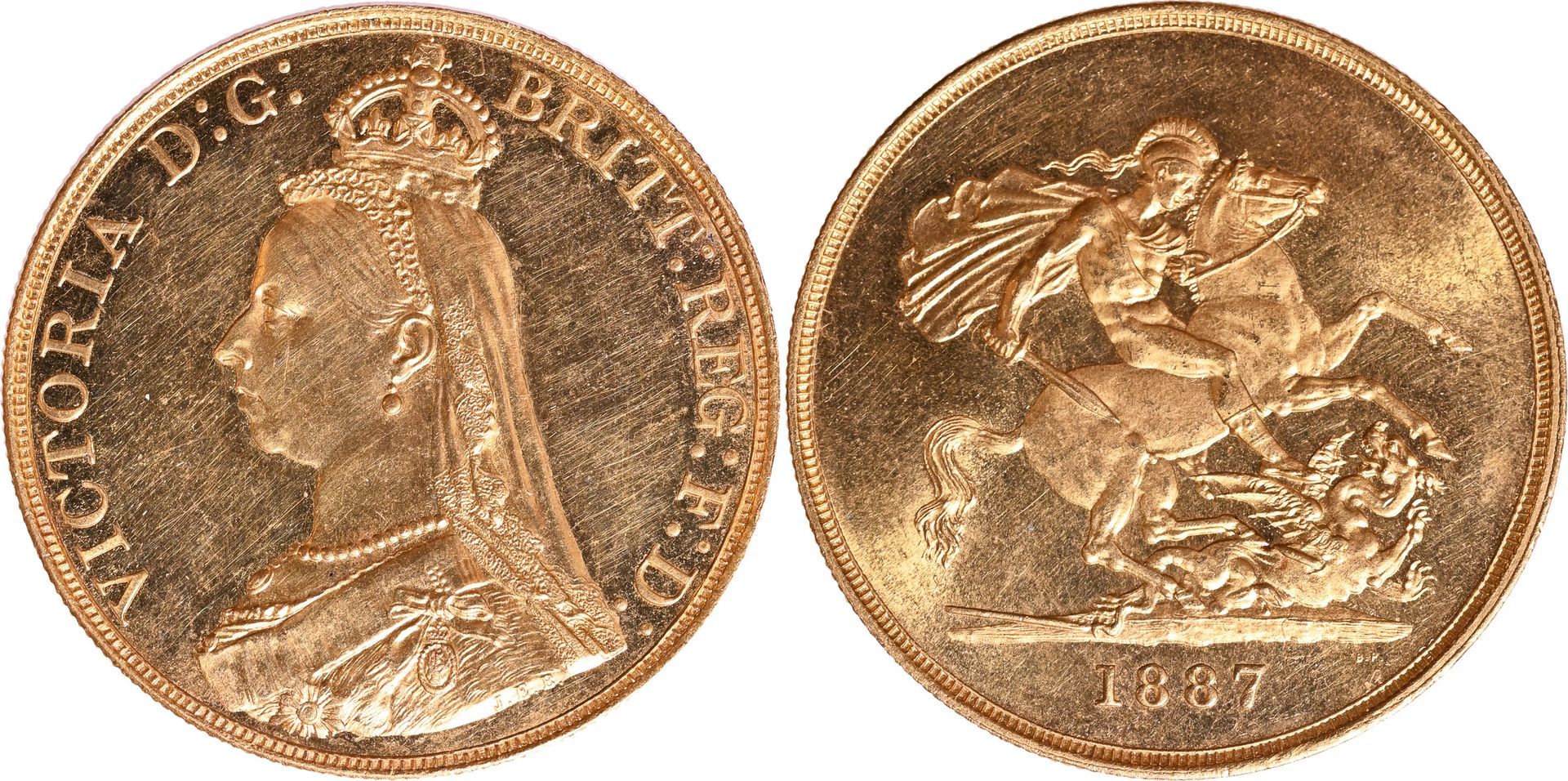
Australian gold sovereigns were struck at three mints — the Sydney Mint (from 1855), Melbourne Mint (from 1872), and Perth Mint (from 1899). Certain dates and mintmarks are remarkably rare. The 1852 Adelaide Pound and 1855 Sydney Mint sovereign and half sovereign were the first gold coins struck in Australia and are highly prized as a result. Early Perth Mint half-sovereigns in high grade are difficult to find, and even common-date sovereigns carry intrinsic gold value that provides a price floor.
See what a gold sovereign is worth today, with a live gold price and real prices from our 2026 auctions, in our full guide to gold sovereign values.
Gold Sovereigns — Sydney, Melbourne, and Perth Mint
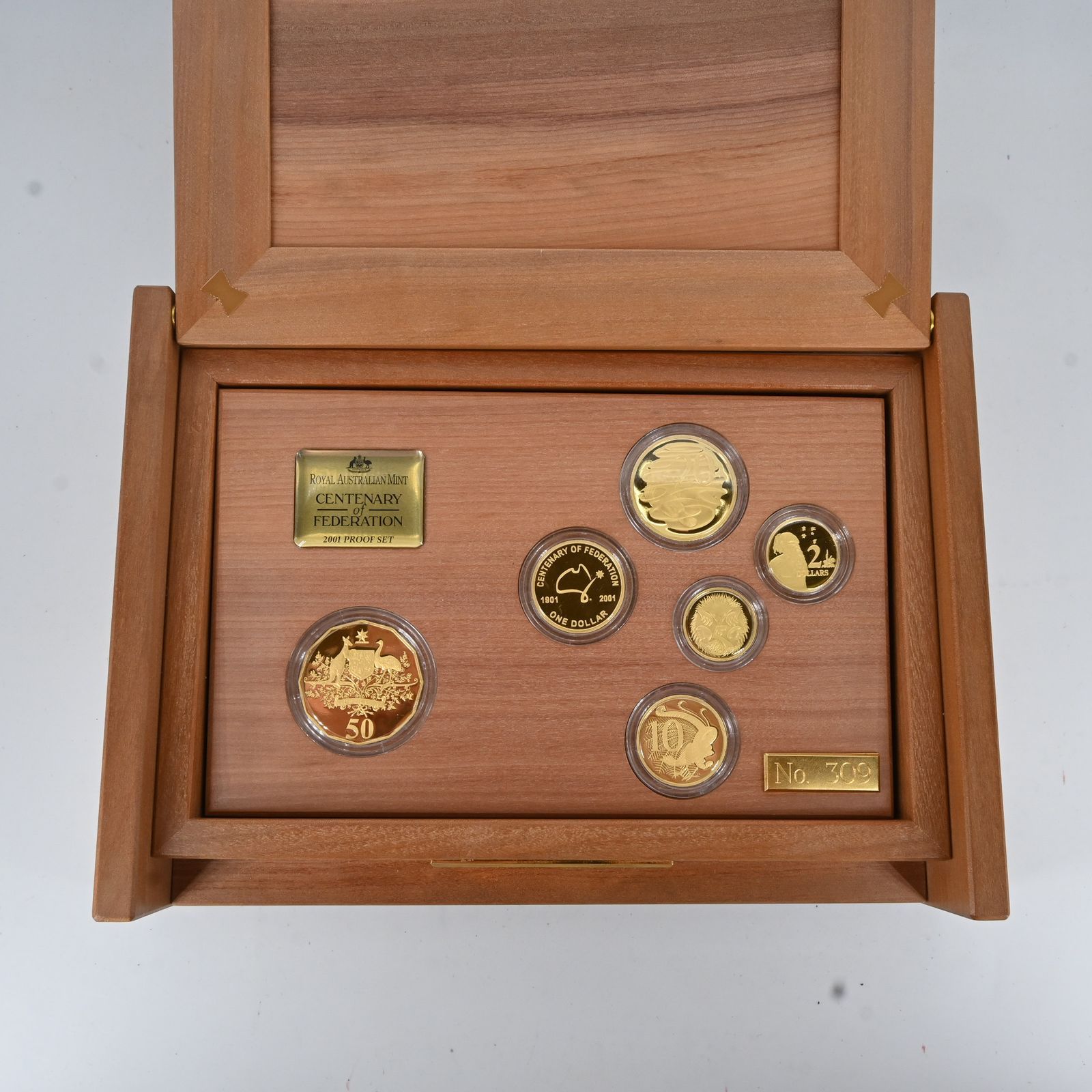
Modern Australian coins offer a wide range of collecting opportunities, from Royal Australian Mint proof sets to Perth Mint Lunar and Kookaburra issues. Selected releases attract strong collector demand, but a limited mintage does not automatically make a coin valuable. Resale values depend on the particular issue, condition, precious metal content and collector interest. Original cases and certificates can also affect desirability. Recent sales of comparable examples provide a more useful guide to value than the original issue price alone.
Modern Proof Sets and Commemoratives
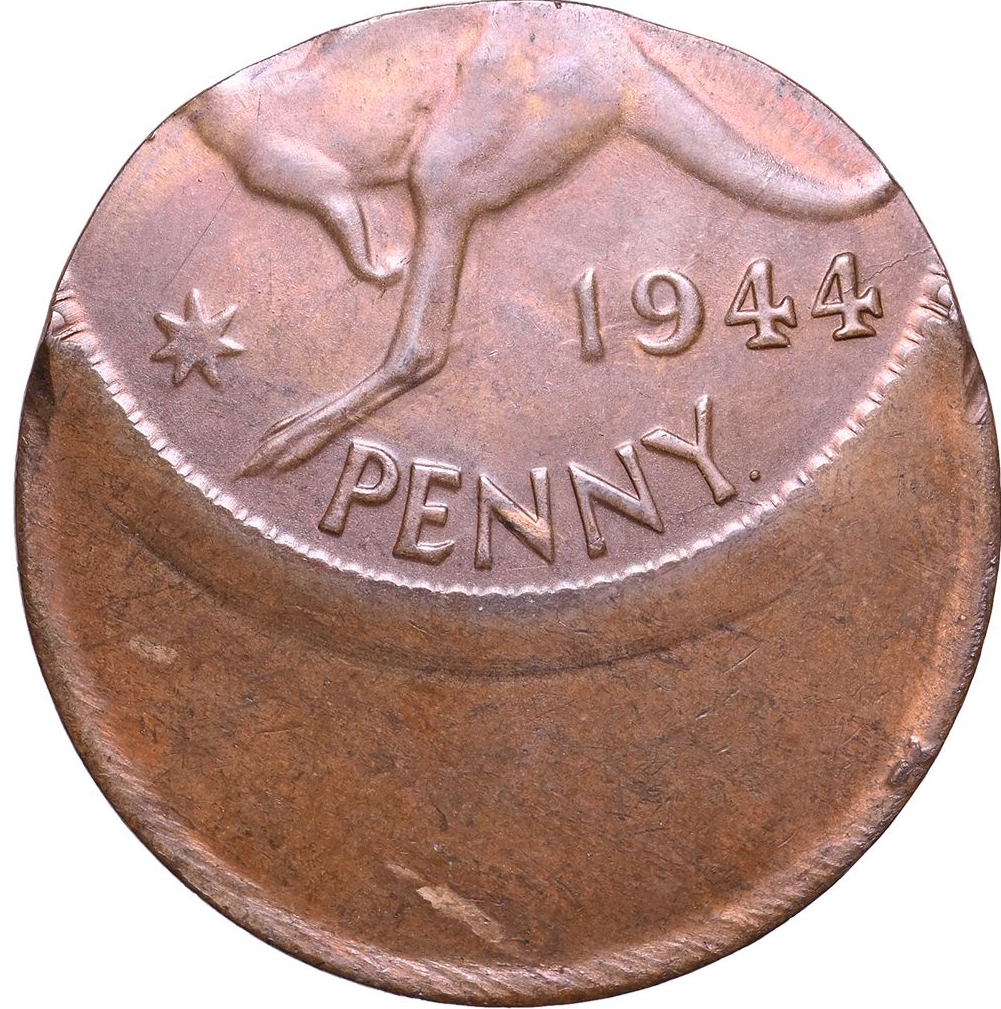
Australian decimal error coins have an enthusiastic collecting community. The 2000 $1/10c mule (where a 10-cent obverse die was accidentally paired with a $1 reverse die) is the most famous, but there are many others, off-centre strikes, clipped planchets, double strikes, and broadstrikes. Error coins are unpredictable at auction, as rarity is often impossible to quantify precisely.
Error Coins
How Rare Coins Are Valued at Auction
Auction provides a transparent way to establish what bidders are willing to pay for a rare coin at a particular time. By presenting the coin to interested collectors and dealers, a specialist auction creates an opportunity for competitive bidding. The result reflects the individual coin’s quality, collector demand and market conditions on the day.
At Copeland Roberts, every lot is catalogued with a description, high-resolution photographs and a condition assessment, with provenance included where known. For certified coins, we include the PCGS or NGC grade and certification number. Clear descriptions and detailed images help bidders assess each lot and bid with confidence.
The Hammer Price and Buyer’s Premium
The hammer price is the final bid that wins the lot. Buyers also pay a buyer’s premium, which at Copeland Roberts is 22% including GST. A winning bid of $1,000 therefore becomes $1,220 including the buyer’s premium, before any applicable shipping and insurance charges. The premium supports the services involved in conducting our auctions, including cataloguing, photography, marketing and the bidding platform.
What Affects Auction Results?
The final price a rare coin achieves depends on its rarity, condition, authenticity and provenance, together with collector demand and competition between bidders. Precious metal prices can also influence results. Accurate cataloguing, clear photographs and relevant marketing help buyers assess a coin confidently and can support stronger bidding.
Buying Rare Coins at Auction
Buying at auction is the most exciting way to build a coin collection. You set your own price, bid against other collectors, and often find coins that aren’t available through other channels.
At Copeland Roberts, all auctions are conducted live online through our bidding platform. You can browse upcoming lots, set maximum bids in advance, or bid in real time on auction day. Registration is free and takes just a few minutes.
Tips for New Buyers
01
Set a budget for each lot before bidding starts. It’s easy to get caught up in the moment.
02
Research the coin beforehand. Check recent auction results for the same issue and grade.
03
Pay attention to grading. A one-grade difference (e.g., MS64 vs MS65) can mean a significant price gap.
04
Remember the buyer’s premium. Factor in the 22% on top of your maximum bid.
05
Consider third-party graded (slabbed) coins for higher-value purchases. They provide authentication and a standardised condition assessment.
Selling Rare Coins Through a Specialist Auction House
For rare coins and significant collections, a specialist auction can be an effective way to reach interested buyers and encourage competitive bidding. Results depend on the material offered, its presentation and demand on the day. A professional appraisal helps establish realistic expectations and whether auction is suitable for your coins.
At Copeland Roberts, selling starts with a free, no-obligation appraisal. Send us photographs of your coins and we'll provide an auction suitability assessment. If you choose to consign, our
coin consignment service for rare Australian coins handles everything: professional photography, cataloguing, marketing to our registered bidder database, and secure storage. Consignors are paid within 30 days of the auction, subject to receipt of cleared buyer funds.
Why Choose Copeland Roberts for Rare Coin Auctions
Copeland Roberts is a Sydney-based specialist coin auction house. Unlike general auctioneers who handle everything from furniture to electronics, we focus exclusively on coins, banknotes, and numismatic collections. This specialism means your coins are catalogued by people who understand them, marketed to collectors who want them, and presented on a platform built specifically for numismatic auctions.
Our auctions are conducted entirely online, which means buyers from across Australia and internationally can participate. Whether you’re in Sydney, Melbourne, Brisbane, Perth, or overseas, you can bid live from your device. Every lot is photographed in high resolution, and our cataloguing includes full descriptions, provenance, and grading details.


Have coins you want appraised?
Getting started is easy. Submit photos of your coins through our online appraisal form for a free, no-obligation assessment. We aim to respond within two business days. Initial appraisals usually take 2–4 business days once we have the photographs and information needed. Larger or more complex collections may require additional time.